
Through the culture of “Japanese omakase,” Japanese food culture often surprises us with its diversity and depth. In particular, we will explore the background and appeal of foods with strong odors, such as miso, natto (fermented soybeans and fermented fish), and why they are so loved by the Japanese people.
Types of Foods with Unique Odors and Their Characteristics
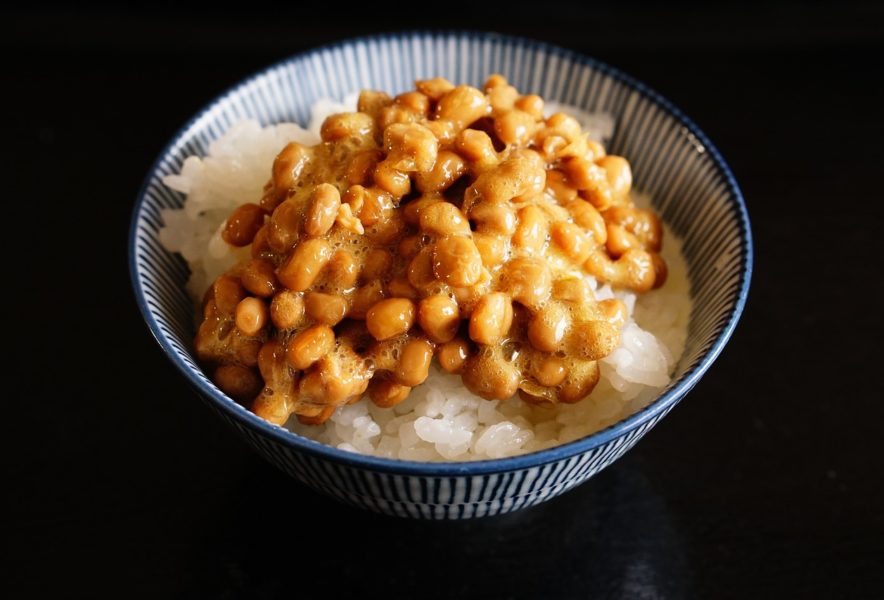
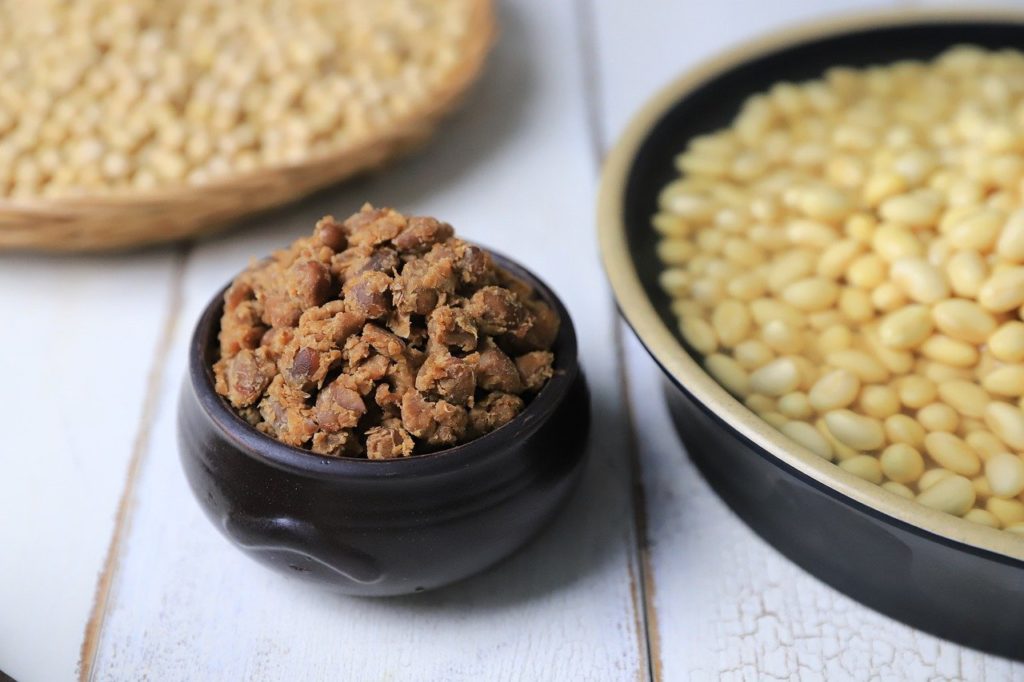
Natto: Natto has a distinctive ammonia-like odor. This is caused by the fermentation of the bacillus natto.
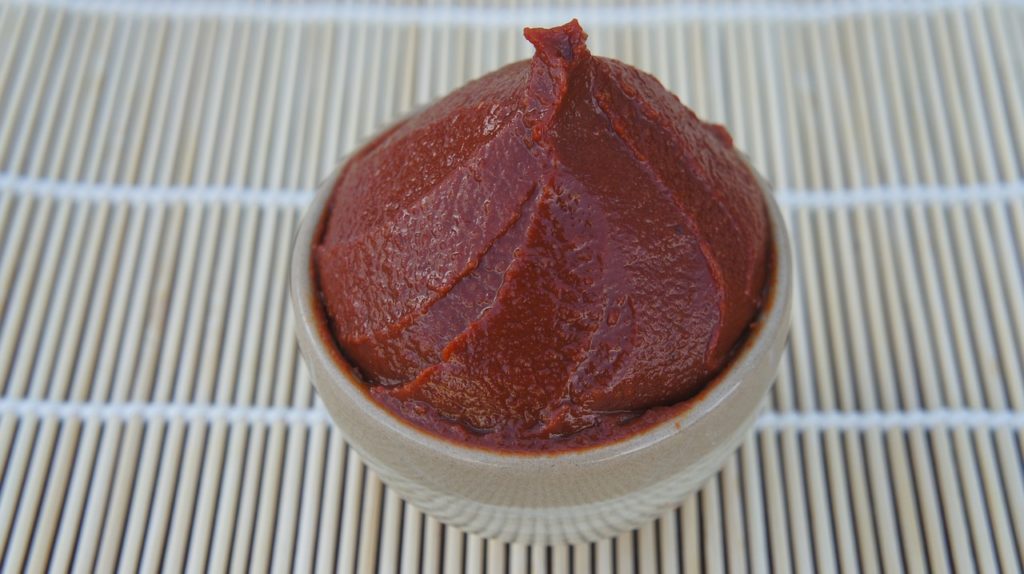
Miso (fermented soybean paste): It has a unique smell that is a mixture of the sweet aroma of fermented soybeans and the savory smell of koji (malted rice).
Fermented fish products (such as shiso pickles and kusaya): The fermentation of fish accentuates the strong odor characteristic of fish.
Pickles: varies from type to type, but often has a distinctive odor due to fermentation and preservation with salt, koji, vinegar, etc.
Historical Background
Japanese food culture has developed uniquely over its long history. Pickles and natto (fermented soybeans) were often found on daily tables as preserved foods from long ago. These foods not only preserved well, but also developed unique flavors and odors through fermentation. Fermented foods have been accepted by many Japanese as a wisdom to make the most of seasonal ingredients.
Nutritional Benefits
Fermented foods have many nutritional benefits in addition to their unique flavor. For example, natto (fermented soybeans) is rich in vitamin K2, nattokinase, and other healthful ingredients. In addition, miso and pickles have the effect of regulating the intestinal environment due to the lactic acid bacteria produced by fermentation. These foods not only taste good, but also contribute to a health-conscious diet.
A tool for deep communication
Food can also be used as a means of communication. Strong-smelling foods can serve to strengthen bonds with family and friends through the sharing of their flavors. Conversation around the dinner table is especially important in Japanese households. By enjoying natto, miso soup, and pickles together, we can share each other’s values and routines.
Strong-smelling foods are deeply rooted in Japan’s history, climate, and health. These foods, along with their distinctive smells, have become an integral part of Japanese life and symbolize the diversity and depth of the Japanese food culture.
