

In Japanese food culture, there is a unique culture called “omakase”. Omakase means to leave everything to the chef. Against the backdrop of this culture, we will explore why Japanese people love to eat raw fish.
Historical Background of Raw Fish
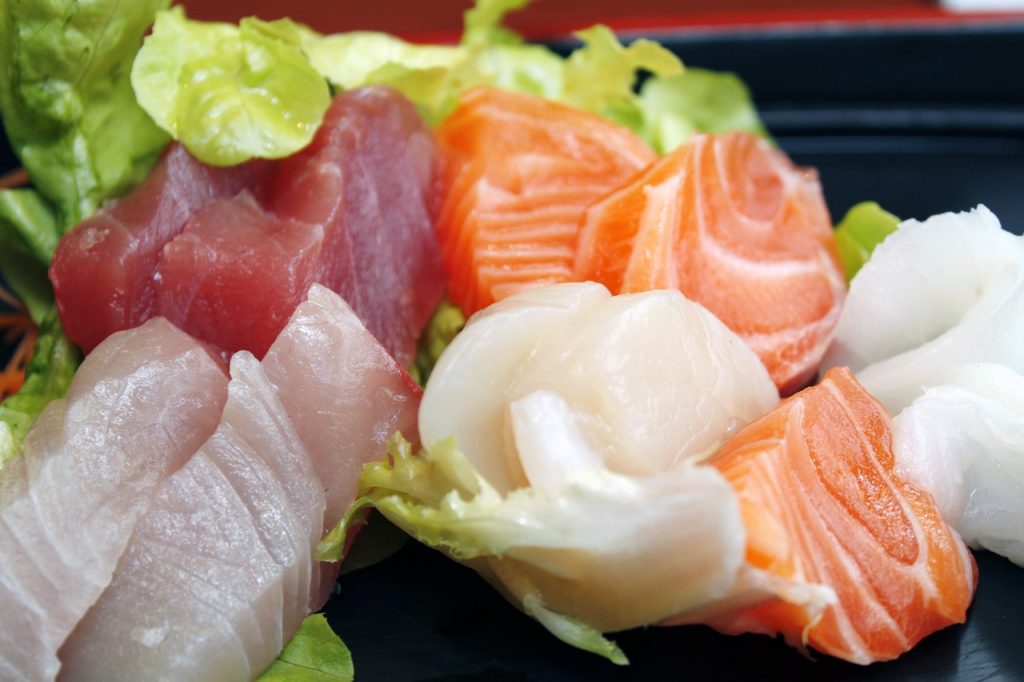
Japan is a country surrounded by the sea on all sides. As a result, fish has long been a central part of the Japanese diet. Furthermore, Japan’s climate has four distinct seasons, which means that fresh fish is available in each season. Eating fresh fish raw has long been the most popular and tastiest way to enjoy fish.
Health Benefits of Raw Fish
Fish contains many nutrients, including protein, omega-3 fatty acids, vitamins and minerals. In particular, raw fish is never cooked, so these nutrients are not destroyed. Therefore, eating raw fish is an efficient way to get these nutrients into the body. Many Japanese believe that eating raw fish helps them stay healthy.
The “omakase” culture and raw fish
The “omakase” culture is based on the idea of placing the utmost trust in the skill and taste of the chef. When preparing raw fish, the most delicious way to prepare it depends on the freshness of the fish, the part of the fish, and the season. For this reason, by leaving the cooking to the chef in the omakase style, you can enjoy the best raw fish dish of the day.
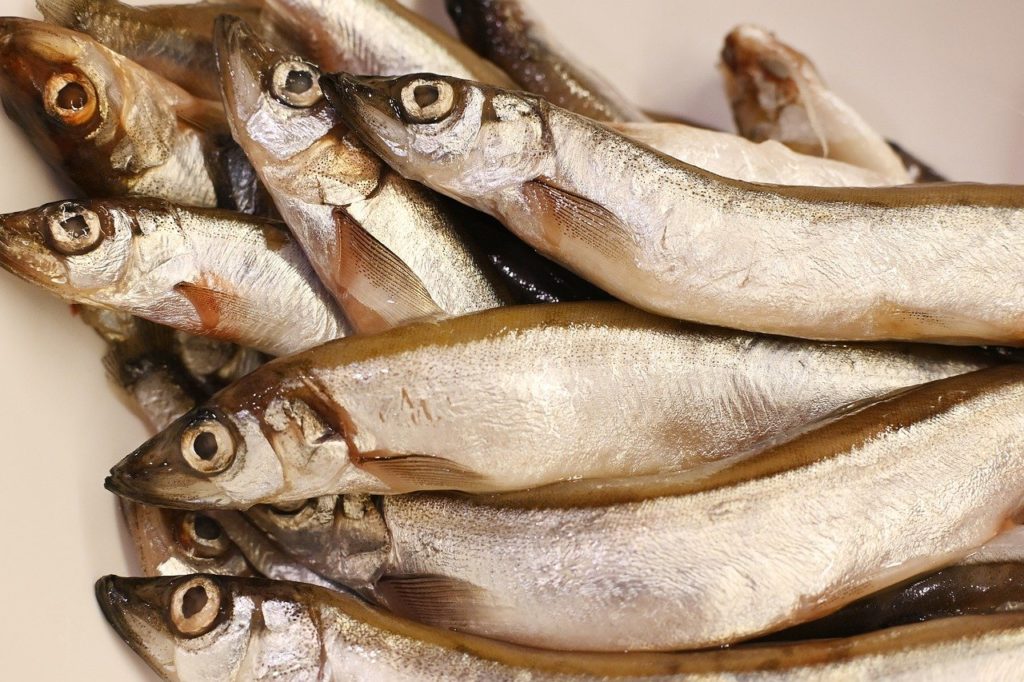
Japan’s delicious seasonal fish, healthy nutritional value, and a culture of trust in “omakase”. These factors combine to explain why Japanese people love to eat raw fish. This culture is unique to Japan, and for many people, raw fish is a symbol of Japanese food culture.
