

In Japan, there is a culture called “omakase. This is the practice of leaving everything to expert artisans and chefs. This attitude of trust and respect is also strongly reflected in the world of coffee, where a wide variety of coffees are produced to suit the rich tastes of the Japanese. This article will shed light on why so many types of coffee exist in Japan from three perspectives.
Japan’s unique “Omotenashi” spirit is at the root of coffee culture

In Japan, the spirit of “Omotenashi,” or hospitality, which places the highest value on treating customers, permeates every industry. Coffee shops are no exception. Stores offer a wide variety of coffee beans and brewing methods in order to be able to provide the best coffee for each customer according to his or her taste and mood. This attention to detail is a major factor in increasing the variety of coffee.
Diversity of Food Culture and Attention to Taste
Japanese food culture values seasonal changes and emphasizes enjoying ingredients and flavors that suit each season. Coffee is no different, with beans that have different tastes and aromas depending on the season and the brewing method chosen accordingly. In addition, Japanese people have a delicate palate that can sense subtle differences in taste, and they tend to seek many choices in a single cup of coffee.
Fusion of Global and Local
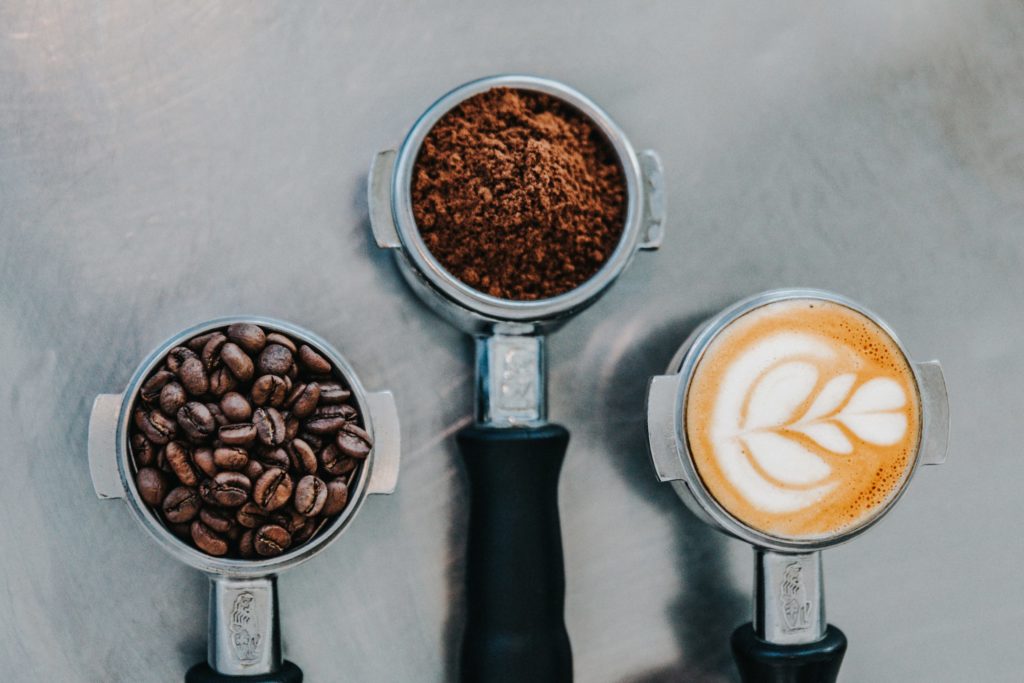
Japan is known for taking foreign cultures and developing them while adding its own interpretation. Coffee culture is no exception. Coffee beans from around the world are imported and then roasted to suit Japan’s water quality, climate, and national tastes, creating a unique flavor. In this way, coffee beans from Japan and abroad are mixed together to create countless coffee variations.
In Japan, where the “omakase” culture is deeply rooted, the culture of respecting individual tastes and the passage of time is also strongly expressed in the world of coffee. Omotenashi (hospitality), a delicate palate, and a unique ability to incorporate a global perspective into a local one are the keys to understanding why there are so many varieties of coffee in Japan. This unique culture and environment is what makes coffee so diverse in Japan.
