
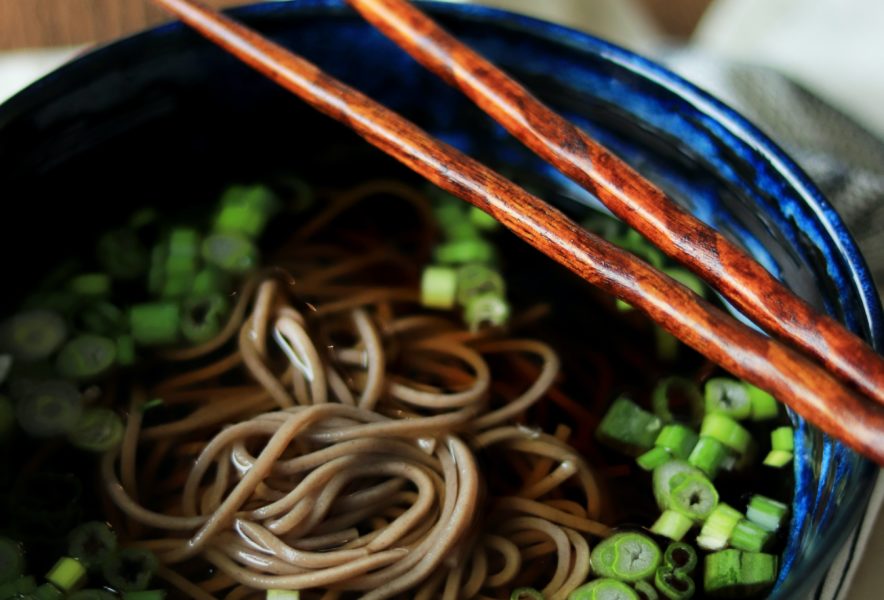
Japan’s food culture is deep and has many unique characteristics. Among them, the act of “susuru” is one of the most refreshing and surprising to foreign visitors to Japan. It is said that “susuru” is based on the Japanese “omakase” culture. So what is the meaning behind this unique act?
What does “susuru” mean?
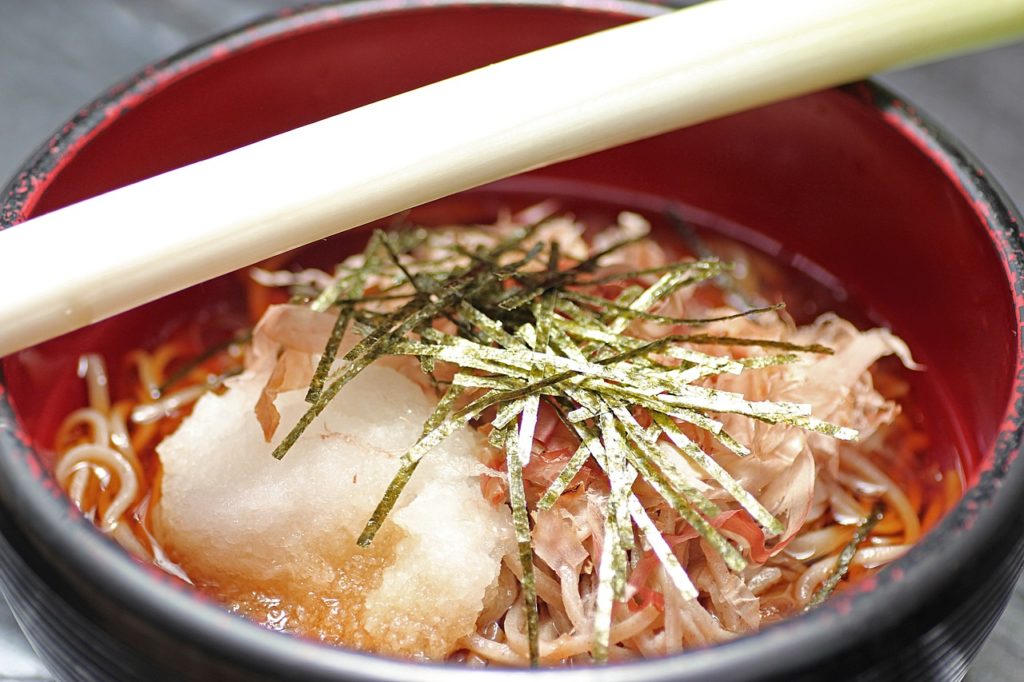
In Japan, “susuru” refers to the act of bringing noodles to the mouth with a sound. It is said that this action began as a way to cool down the noodles when they were hot. It is also believed that by slurping, the flavor of the noodles can be more fully appreciated.
“Slurping Noodles” as a Courtesy
In Japan, the custom of eating noodles noisily has existed since ancient times. The reason for this is that noodle dishes are often served hot, so it developed as a way to let the noodles cool in the mouth while eating. It is also said that making noise while eating helps one to appreciate the dish.
In many countries, it is considered bad manners to make noise while eating. In Japan, however, it is considered polite to “susuru”. This act is regarded as a sign of appreciation of the food and an act of respect for the chef.
On the other hand, in other countries, making noise while eating is sometimes considered a breach of etiquette. In Japan, however, it is the opposite. It is rather recognized as a courtesy to make noises to express the deliciousness of noodle dishes. It is positioned as an act to show respect and appreciation to the chef.
“Omakase” Culture and “Susuru”
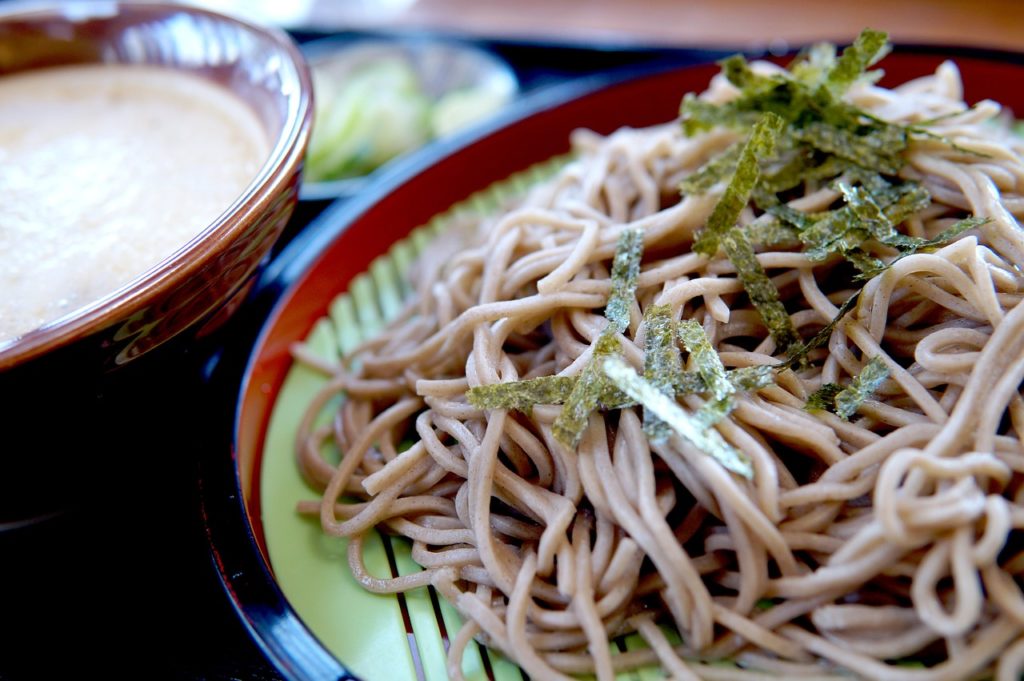
“Omakase” is a uniquely Japanese service style in which the customer leaves the menu to the chef. This means that the customer trusts the chef’s skill and sense of taste. The act of “susuru” the noodles is also in keeping with the spirit of “omakase”, expressing the deliciousness of the food and the chef’s appreciation through sound.

The act of “susuru” noodles is one of the symbols of Japanese culture and values. Behind it lies a multi-layered meaning: a way to maximize the flavor of the noodles, a sense of courtesy, and a connection to the “omakase” culture. By understanding this act, we can learn more about Japanese food culture and the sentiments of its people.
