
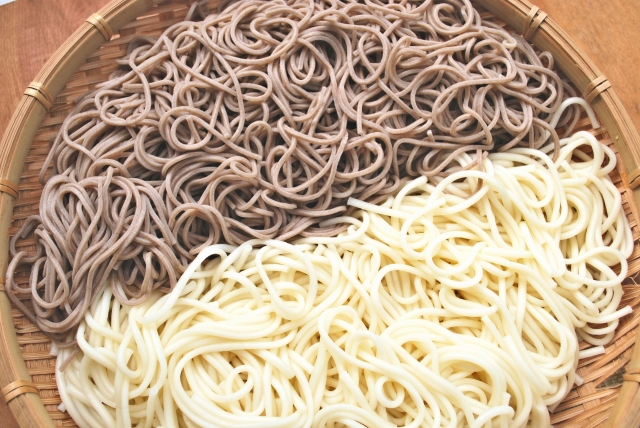
Japanese culinary culture is incredibly diverse, offering a variety of dishes for everyone to enjoy. Notably, the noodle dishes “soba,” “udon,” and “ramen” are beloved both domestically and internationally. Each of these noodles varies in appearance, texture, origin, and history. In this article, we’ll delve into the differences and allure of these three types of noodle dishes.
The Allure and Characteristics of Soba
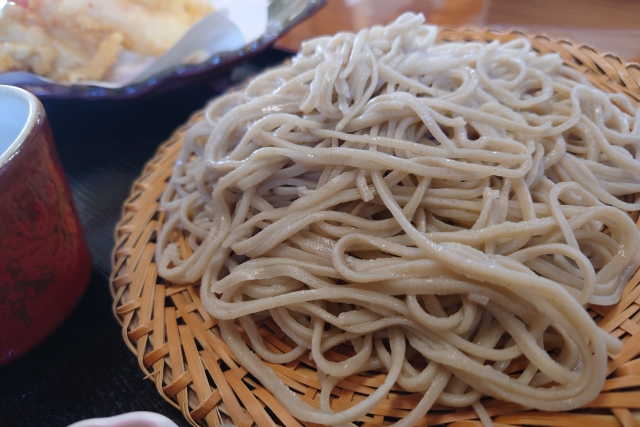
Soba is a traditional Japanese dish made primarily from buckwheat flour, resulting in thin, elongated noodles. A distinct feature of soba is its unique aromatic taste combined with a smooth texture. You can enjoy soba in various ways, such as the cold “zaru soba” or the hot “kake soba.” Historically, soba has been a part of the Japanese diet since the Edo period. The custom of consuming “Toshikoshi soba” at the end of the year, which signifies ushering in a prosperous new year, is especially well-known.
The Allure and Characteristics of Udon
Udon is a thick, white noodle made primarily from wheat flour. Its features include a chewy texture and a gentle taste. Depending on the region, the thickness of udon, its ingredients, and the flavor of its broth can vary. For instance, the “Sanuki udon” from Kagawa Prefecture and the “Chikuzenni” from Fukuoka Prefecture each showcase regional specialties. Udon serves as a familiar and comforting meal, often enjoyed daily or during festivals and events.
The Allure and Characteristics of Ramen
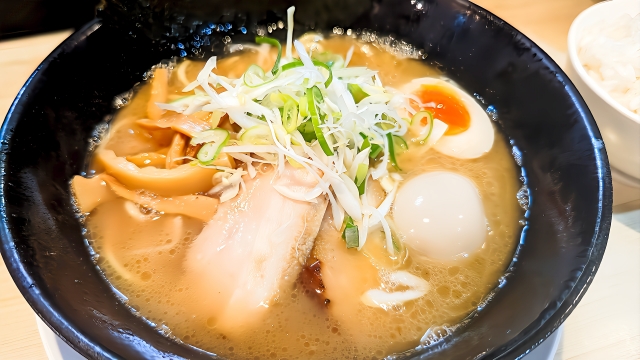
Ramen is a noodle dish that, while influenced by Chinese cuisine, has uniquely evolved in Japan. It’s characterized by its rich soup and medium-thick noodles, topped with ingredients like chashu pork, menma, and eggs. Across Japan, you can find region-specific ramen varieties, such as the pork-bone ramen from Hakata, the miso ramen from Sapporo, and the soy sauce ramen from Tokyo. In recent years, ramen’s popularity has surged overseas, making it beloved by people worldwide.
“Soba,” “udon,” and “ramen” each possess distinct charms and features, representing the depth and variety of Japanese culinary culture. Understanding the intricacies of each noodle allows one to appreciate the richness and diversity of Japanese food. If you haven’t already, give each of these dishes a try and immerse yourself in their unique flavors and stories.
