
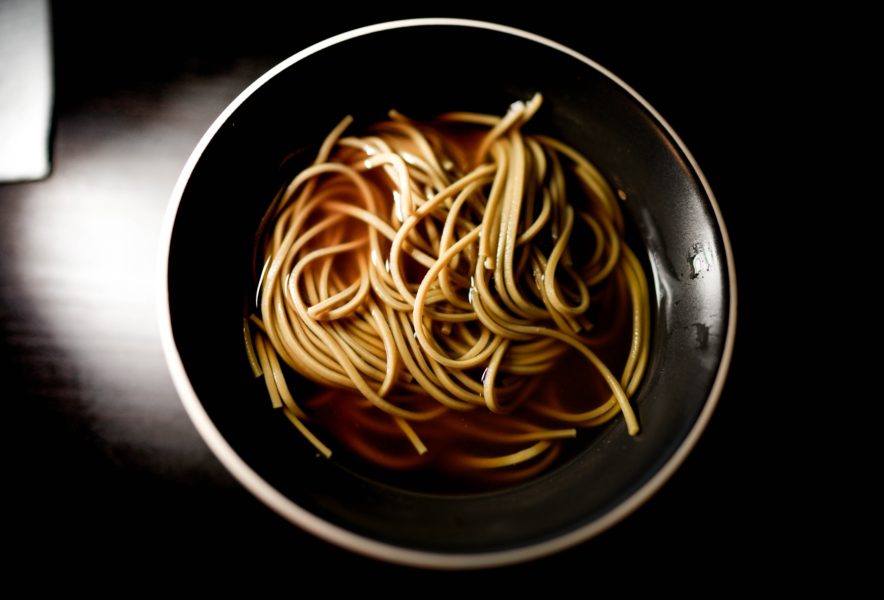
The spirit of omakase is alive and well in Japanese food culture. This unique concept means that the chef or restaurant owner selects and serves the most suitable dish or beverage. In this spirit, let us enter the profound world of Japanese “dashi.
What kinds of dashi are there in Japan?

The types of dashi in Japan are extremely diverse. The most widely known is mainly bonito flakes, but it is not the only type. Dashi can also be made from kombu (kelp), shiitake mushrooms, chicken, pork, and other ingredients. Each dashi has its own unique flavor and aroma, which is the source of the deep flavor of the dish. For example, kelp dashi has a mild flavor and is used in many Japanese dishes.
Bonito flakes dashi (bonito broth)
This is one of the most popular dashi broths. It is made from dried and shaved bonito flakes.
How to make it: 1.
Fill a pot with water, first add kombu (kelp) and heat over medium heat. Just before the water becomes boiling, remove the kombu, add the bonito flakes, heat again, let it come to a boil, and then turn off the heat. After letting it sit for a while, remove the flakes and scrape off the liquid part.
Kelp Dashi (Dashi stock made from kelp)
Dashi made from kombu (kelp), characterized by its mild taste.
How to make it: 1.
Put kombu in water and slowly bring to a boil over a period of time. Remove the kelp just before boiling and it is ready to use.
Shiitake mushroom soup stock (shiitake dashi)
This dashi is characterized by the aroma and depth of shiitake mushrooms.
How to make it: 1.
Soak dried shiitake mushrooms in water for several hours. Then, slowly simmer over medium heat, remove the shiitake mushrooms, and use the liquid part.
Chicken bones soup stock (tori gara dashi)
Dashi made from chicken bones and meat. The flavor of the meat can be felt well.
How to make it: 1.
Put chicken bones and meat into a pot and add enough water. Simmer over medium heat while removing the scum. After simmering for several hours, the flavor of the chicken will come out.
Dashi stock (niboshi dashi)
Dashi soup stock made from dried small fish. It has a rich fish flavor.
How to make it: 1.
Soak niboshi in water for a while, then heat over medium heat. When it comes to a boil, lower the heat and let it simmer for a while. Remove the dried fish and use the liquid part.
History and Usage of Dashi
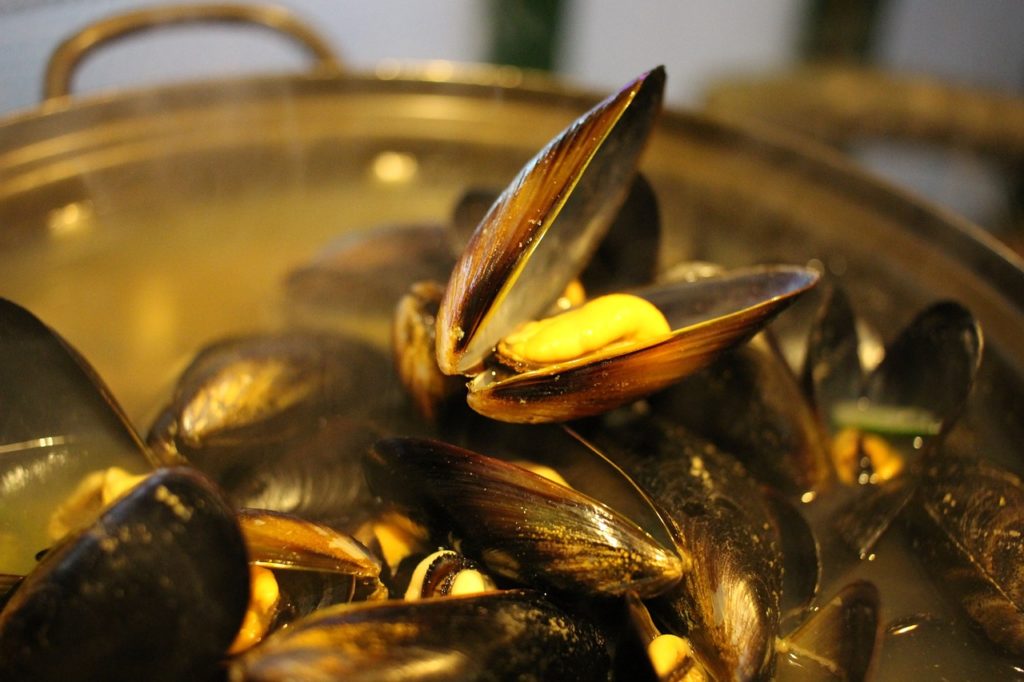
Dashi has a very long history, and its origins can be traced back to the Heian period (794-1185). Since that time, Japanese people have used bonito flakes and kombu (kelp), which are gifts of nature, to create unique dashi. Dashi is the basis for many dishes, and its use is very diverse. It is an essential part of many typical Japanese dishes, such as udon and soba sauces, oden broth, and miso soup. In particular, there are dashi broths that take advantage of regional characteristics; for example, in Kyushu, dashi broths made primarily from niboshi (dried sardines) are sometimes preferred.
Cooking with dashi and its culture overseas
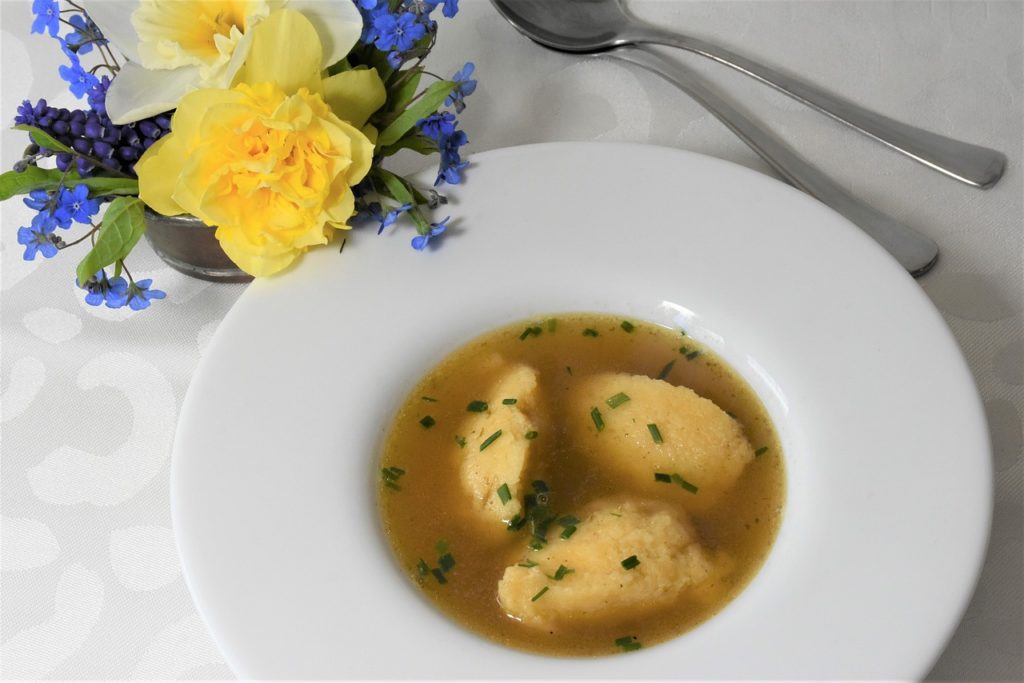
Dashi is the foundation of Japanese cuisine and is used in many dishes. From everyday home cooking to formal ryotei (Japanese-style restaurants), dashi is indispensable in nabe, simmered dishes, takikomi gohan (rice cooked in a pot), and stewed dishes. In other countries, bouillon and stock exist as similar products. However, their production methods, ingredients, and flavors differ from those of Japanese dashi. This is a reflection of the culture and environment of each country.
Dashi forms the core of Japanese food culture. There are many different types, and their use has evolved throughout its long history. Health benefits include the amino acids and minerals contained in dashi, which help keep our bodies healthy. In addition, the unique Japanese culture of dashi broth is distinct from that of other countries, and understanding its uniqueness can help us appreciate the depth and appeal of Japanese food more deeply.
