
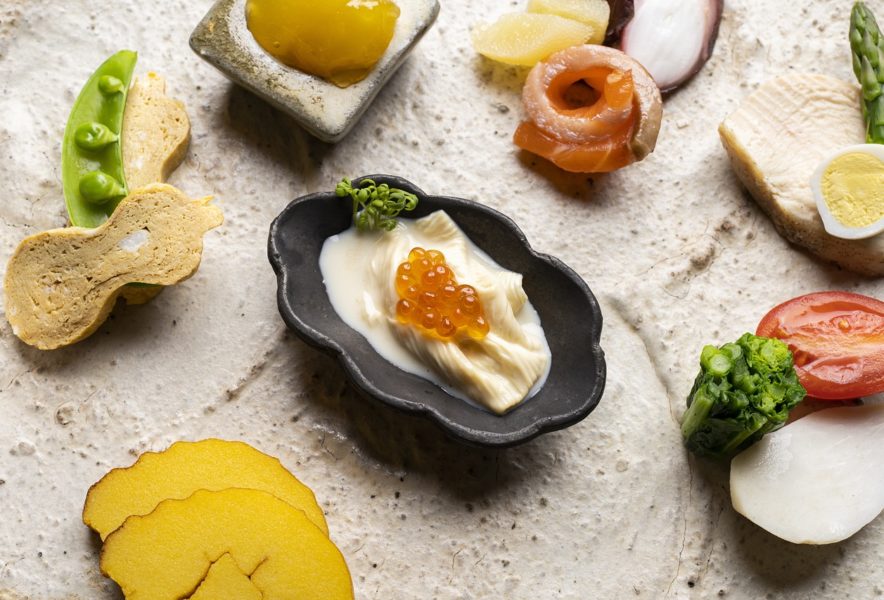
When you enter a restaurant in Japan, you will often see a small plate of food brought to your table before you order from the menu. This is called “otoshi”. At first glance, this seemingly service-like dish is actually deeply connected to Japanese culture and history.
Why do we have “Otoshi” in Japan?

The idea of taking good care of customers is deeply rooted in Japanese restaurant culture. Otoshi began as part of this concept. Since ancient times, it has been part of the Japanese spirit of hospitality to welcome guests with something to eat. Otoshi at restaurants are also offered to customers as an example of the quality of the restaurant’s food and recommendations of the day.
Why do we have to pay for “Otoshi”?
The first surprise to many foreigners is that otoshi is not free. However, there is a reason for this. Because of the cost of ingredients and preparation, a fee is charged to cover the cost of the food and the cost of the food. Also, by offering otoshi, restaurants can showcase the fresh ingredients and special dishes of the day.
Types of “Otoshi”

The types of otoshi vary widely. Japanese restaurants often offer boiled seasonal vegetables, pickles, and sashimi. At izakaya (Japanese-style pubs), salads, tofu, and simmered fish are often found. Korean-style appetizers such as kimchi and namul are also sometimes served at yakiniku restaurants.
Otoshi is mainly served at Japanese restaurants such as izakaya, Japanese-style restaurants, and yakiniku restaurants, but in recent years, an increasing number of cafes and Western-style restaurants have begun to offer their own unique otoshi.
The types of otoshi vary depending on the restaurant and the season at the time, but generally include the following types
Seasonal vegetables
Often, boiled, simmered, or tempura dishes using vegetables that are in season are served.
Seafood
small plates of sashimi, boiled fish, fried fish, etc. may be served.
Meat
A small amount of meat may be served, such as a dish of yakitori (grilled chicken) or meat and potatoes.
Tofu or yuba
simply sprinkled with salt or served with ponzu (Japanese sauce made from ponzu citrus juice).
Pickles: can range from lightly seasoned to spicy.
Salads
Simple salads made with seasonal vegetables or with Japanese dressing.
Hors-d’oeuvre: A variety of small bowls of food may be served, such as chiritori-tofu, ohitashi, vinegared vegetables, etc. These are just examples.
These are just a few examples of the many different types of otoshi that may be offered depending on the restaurant, the region, and the season. In addition, the otoshi is often changed depending on the restaurant’s specialties and the day’s stock, so you can enjoy a different otoshi at each restaurant.
Difference between “Otoshi,” “Tsukidashi” and “Sakizuke
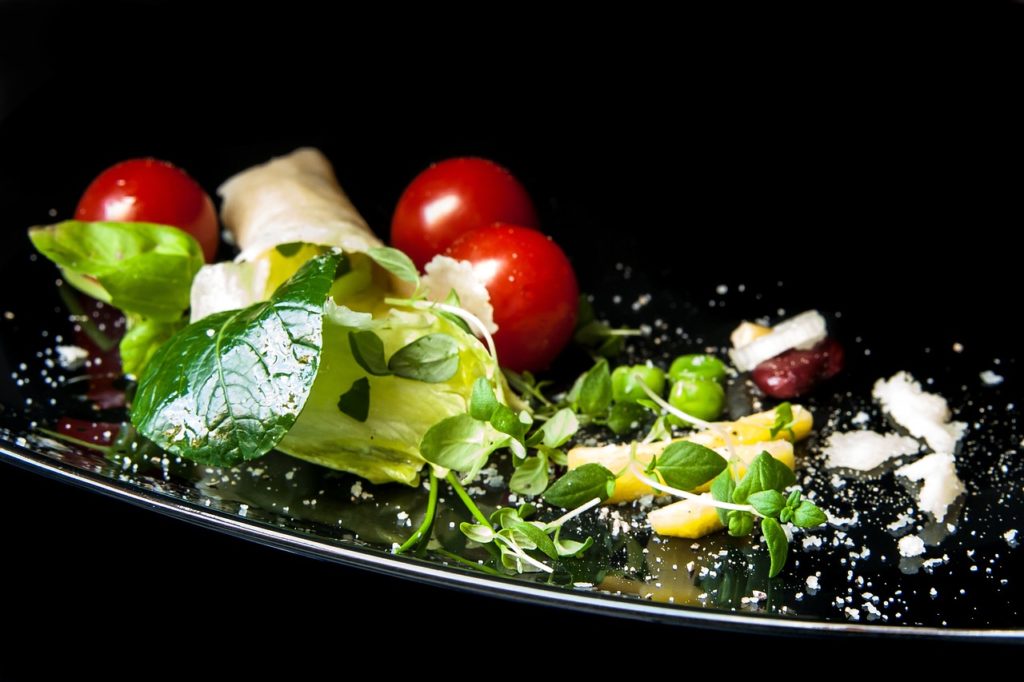
The terms “otoshi,” “tsukidashi,” and “sakizuke” are used to refer to appetizers and small dishes served at Japanese restaurants, but there are subtle differences between them.
Otoshi
This refers to appetizers served mainly at izakaya (Japanese style pubs). It is a small dish that is automatically served after the customer is seated. There is usually a charge for this, which is often part of the seat charge or service charge.
Tsukidashi
Like “otoshi,” this also refers to a small dish that is automatically served after the customer is seated, but in some regions or restaurants, it is used synonymously with “otoshi. The term is used mainly in the Kansai region.
Sakizuke
An appetizer served at the beginning of a meal in Japanese restaurants and ryotei (Japanese-style restaurants). Generally, it is served as part of a course or set menu and is not charged by itself. It is common for the food to be served to reflect seasonal ingredients and the special characteristics of the restaurant.
Is there any culture of “Otoshi” outside of Japan?
It can be said that the culture of otoshi is unique to Japan. However, similar services exist in restaurants around the world. For example, tapas in Spain and hanjang (appetizers) in Korea. In these countries, too, food is served as a way to showcase the restaurant’s specialties and fresh ingredients. However, unlike the Japanese otoshi, service in these countries is often provided free of charge.
In Japan, “otoshi” has a long history.
The Japanese “otoshi” is a product of a long history and culture. This custom, born out of the Japanese spirit of hospitality to customers, is still observed in many restaurants.
