Chopsticks are indispensable when it comes to Japanese cuisine. Can you hold chopsticks correctly? Do you know the etiquette when using chopsticks during meals? In fact, the art of using chopsticks is so intricate and challenging that even some Japanese people don’t hold or use them correctly. If you, as a tourist, can use chopsticks correctly, you will undoubtedly gain respect. To dine elegantly and adhere to etiquette, it’s crucial to acquire knowledge about chopsticks.
Choosing the Right Chopsticks
If you intend to hold and use chopsticks correctly, it’s essential to choose chopsticks that fit your hand size. There are designated sizes for chopsticks and bowls, termed as “male size” and “female size.” These sizes originated from the Edo period, determined by the average height and hand size of men and women at that time. However, in modern times, as the physique of both genders has become diverse, the trend has shifted towards selecting chopsticks based on hand size rather than gender. Using the right size of chopsticks makes it easier to hold and use them correctly.
The ideal size of chopsticks for one’s hand is often referred to as “一咫半” (hitoatahan). Chopsticks that match the user’s hand size are not only the most comfortable to hold but also present the best aesthetic balance. The length between the thumb and the index finger when stretched at a right angle is called “一咫” (hitoata). 1.5 times this length is “一咫半” (hitoatahan). When purchasing chopsticks, please keep this guideline in mind.
How to Hold Chopsticks Correctly

Once you’ve found chopsticks that fit your hand size, the next step is to learn the correct way to hold them.
Picking Up Chopsticks
- With your right hand, grasp the chopsticks from above.
- Then, support the chopsticks with your left hand from below.
- Adjust the chopsticks to the correct grip with your right hand.
- Finally, release the chopsticks with your left hand.
How to Hold and Maneuver Chopsticks
- Hold the chopsticks about two-thirds of the way from the tip.
- Grip the upper chopstick like you would a pencil.
- Next, place the lower chopstick between your middle finger and ring finger and secure it in place.
- When picking up items with chopsticks, move the upper chopstick using your index finger, middle finger, and thumb. The lower chopstick should remain stationary.
- By opening and closing the tips of the chopsticks, you can deftly pick up items of any size with ease.
Using Chopsticks with Japanese Cuisine
During actual meals, chopsticks are used in various ways, such as wrapping, mixing, and grabbing food. Here, we introduce some specific techniques and manners, including how to switch hands when holding a bowl and how to pick up different types of food.
Switching Chopsticks When Holding a Bowl
When you take a bowl, grasp it with both hands. Then, pick up the chopsticks with your right hand, and slot the tips of the chopsticks between the index and middle fingers of your left hand, which is holding the bowl. Sliding your right hand along the chopsticks to adjust them gives a neat appearance.
Drinking Soup from a Bowl
When drinking broth or soup from a bowl, use your chopsticks to press down on the solid ingredients inside as you drink. Do not point the tips of your chopsticks outwards. If the bowl only contains broth, you can simply leave the chopsticks on the chopstick rest.
Eating Sushi by Tilting It
When eating nigiri sushi, grabbing it directly from the side can cause the sushi to fall apart. Instead, tilt the sushi sideways and grasp it with chopsticks to keep the filling intact. After picking up the sushi by tilting, dip the topping part slightly into the soy sauce and savor it.
Eating Cooked or Grilled Fish
When consuming cooked or grilled fish, use your chopsticks to gently break apart the flesh. Navigate around the bones as you go. One important point to remember is not to flip the fish over after eating the top fillet. Instead, remove the bones without turning the fish and then eat the bottom fillet.
Eating Skewered Food
Hold the skewer with your left hand and pick up your chopsticks with the right. Be careful not to push the food out with the chopsticks. Instead, gently pull the skewer towards you, detaching the food cleanly from it.
Bad Manners! What are “Kirai-Bashi”?
When you enjoy Japanese cuisine, there are chopstick manners you should be aware of. These are called “kirai-bashi”, and committing these faux pas in public can be embarrassing. Moreover, it may make those dining with you feel uncomfortable. Please read through them carefully and avoid these habits at the dining table.
Yokobashi
This refers to holding chopsticks together like a spoon to scoop up food. It not only demonstrates difficulty using chopsticks but also increases the chance of spilling food. Avoid this.
Hiroibashi
It means transferring food from your chopsticks to someone else’s. In Japan, this action resembles the ritual of picking up bones during funerals, so it’s best to avoid.
Utsuribashi
Switching chopsticks from one dish to another without eating the first picked food. Once you touch a dish, eat it before moving on to the next.
Hojiribashi
Digging for specific food items at the bottom of a dish. Japanese cuisine often features delicate and beautiful presentations, meant to be visually enjoyed. Try to eat without disrupting the presentation.
Namidabashi
Dripping sauce or soup from the tip of your chopsticks. To avoid making a mess, bring a bowl close to your mouth when eating something with a lot of liquid.
Mayoibashi
Hovering chopsticks over dishes, undecided about what to eat next. Decide in your mind before moving your chopsticks.
Kakibashi
Directly scooping food into the mouth from the edge of a bowl. It might be a scene you’ve seen in manga, but it’s not proper etiquette. Plus, you might choke. It’s better to take bites using chopsticks.
Sashibashi
Stabbing food with chopsticks. If a piece is too large, use your chopsticks to break it into smaller bites.
Yosebashi
Pulling a dish closer using chopsticks. This can damage the table and dish, so it’s better to use your hands to move the dish.
Yubisashibashi
Pointing at someone or something with chopstick tips. It’s a very impolite gesture. Many people do this unconsciously, so be mindful.
Tatakibashi
Striking a dish with chopsticks. Doing so to ask for seconds is rude to those who prepared the meal.
Furiagebashi
Waving your chopsticks around while talking. It’s an easy mistake when engrossed in conversation. Be cautious.
Oshikomibashi
Pushing food deep into the mouth using chopsticks. When using chopsticks, it’s ideal to use only about 3 cm of the tip.
Mogibashi
Tearing off grains of rice or other bits of food with the mouth. It’s not polite. Avoid this.
Watashibashi
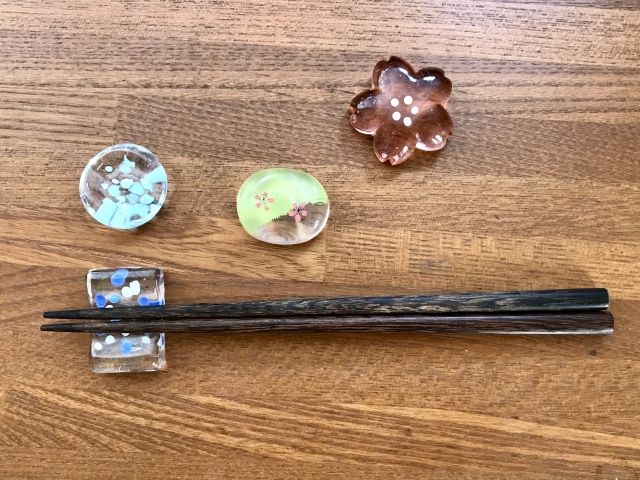
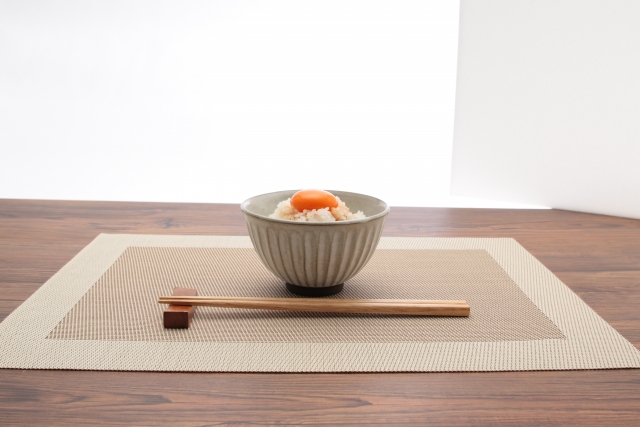
Laying chopsticks across the top of dishes like a bridge while in the middle of a meal. If you need to set your chopsticks down, use a chopstick rest. If using disposable chopsticks, you can create a simple rest using the paper sleeve.
Ukebashi
Holding chopsticks while asking for more rice. It’s polite to set down your chopsticks before requesting seconds.
Tsukitatibashi
Sticking chopsticks upright into a bowl of rice. This is reminiscent of a ritual for the deceased. Never do this while eating.
Soroebashi
Adjusting uneven chopstick tips on a plate or near the mouth. If the chopsticks you’re using become misaligned, adjust them by supporting them with your left hand.
In addition to kirai-bashi, the following are also considered dining etiquette breaches:
- Eating directly without using chopsticks.
- Resting elbows on the table while eating.
- Chewing with an open mouth.
- Talking with food in the mouth. And so on.
Let’s avoid these improper habits and enjoy our meals together in harmony.
Use Chopsticks Correctly and Gracefully
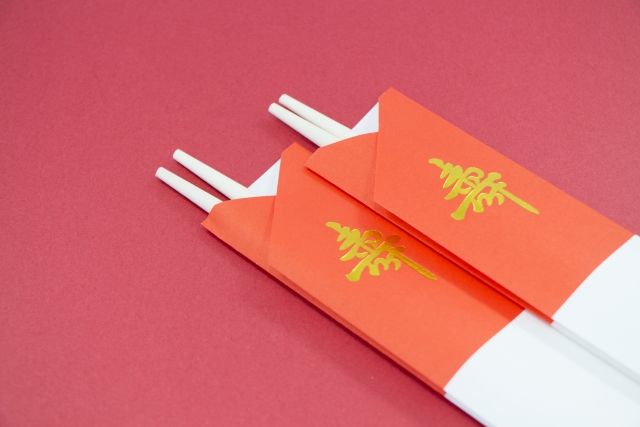
Even for the Japanese who use chopsticks daily, it’s said that using them correctly and gracefully can be challenging. This is because, when something becomes a part of our daily routine, it’s difficult to correct habits once they’re formed. However, if you’re about to use chopsticks for the first time, it should be easier for you to learn the correct way without developing bad habits. Once you remember the proper way to hold and use chopsticks, it’s easy to adopt graceful manners. Moreover, even if you use chopsticks, dining etiquettes can vary between Japan and Korea. Be sure to familiarize yourself with manners like avoiding improper use of chopsticks, and enjoy Japanese cuisine to the fullest.