
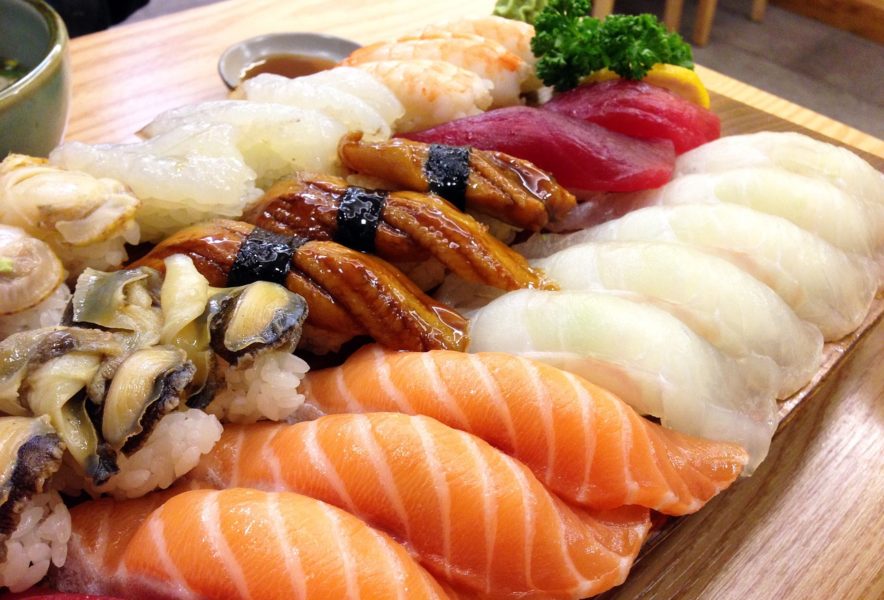
Just like the United States has its own rules and Singapore has its own rules, Japan has its own manners, rules, and tacit understandings. In Japan, we say, “When visiting a village, accept the village’s rules.” It is the same as saying “When in Rome, do as the Romans do”. A little trouble, inconvenience, or surprise is one of the most memorable parts of your trip, but it is safer and more fulfilling to have the knowledge beforehand. In order to enjoy the concept of this site “Omakase”, why not learn “what is normal in Japan”?
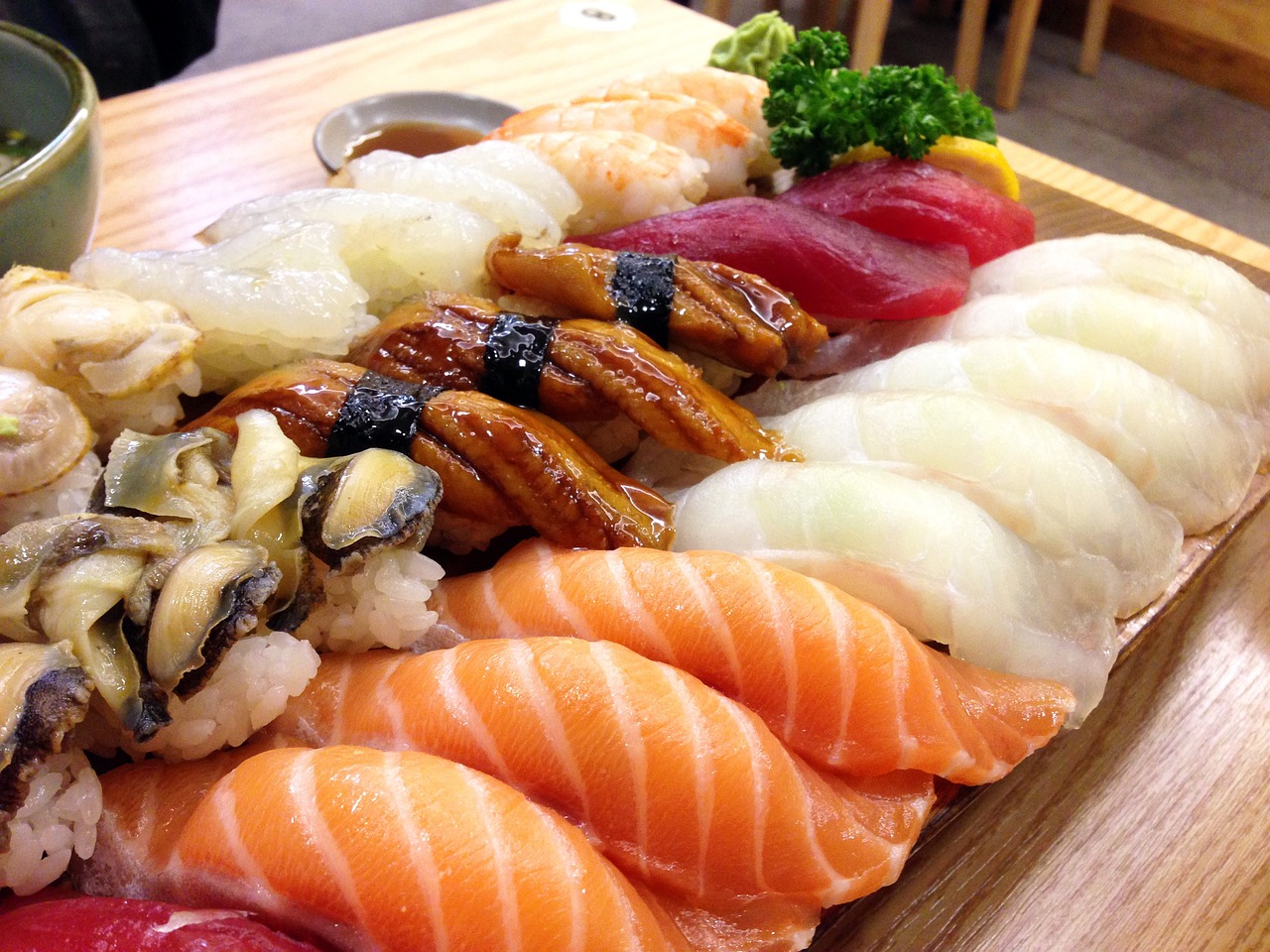
Sushi is probably what most people from overseas think of when they hear the words “Japanese food”. Sushi is a bite-sized piece of rice topped with a raw fish filet, shellfish, or egg. I don’t need to explain, everyone who is interested in Japan already knows this. However, even if you know what sushi is, there are many people who have never actually eaten it. Also, the rules and manners differ depending on whether you go to an upscale restaurant or a restaurant for the general public.
In this article, I explain the differences so that even first-time visitors to Japan can understand them.
- Which should I go to, a high-end sushi restaurant or a conveyor belt sushi restaurant?
- How do you eat sushi?
- Kaiten-zushi manners and rules
- When you enter the restaurant, go to the reception desk! Enter your information into the machine at the reception desk.
- Sushi on the conveyor belt is taken by plate.
- Ordering is by touch panel or by asking the waiter.
- To pay, press the production button on the touch panel and call the waiter.
- Tipping is not required at restaurants in Japan
- What should I pay attention to when using kaiten-zushi?
- At high-end sushi restaurants manners and rules
- When entering a restaurant, bow lightly and say hello
- The best part of dining at a high-class sushi restaurant is communicating with the sushi chef.
- Wipe your hands with a hand towel.
- Ordering “Omakase” is recommended.
- Soy sauce should be dipped in the Sashimi.
- Show respect to the sushi chef and the restaurant by saying, “Gochiso sama desu.”
- Enjoy your meal at a sushi restaurant by observing manners and rules!
Which should I go to, a high-end sushi restaurant or a conveyor belt sushi restaurant?
There are different ranks of sushi restaurants in Japan. The rules and manners differ between high-end sushi restaurants for special occasions and kaiten-zushi (conveyor-belt sushi) restaurants, which are reasonably priced and easy to enjoy.
In the past, sushi was considered “a luxury item”. However, 30 to 40 years ago, “kaiten-zushi,” in which sushi rotates on a conveyor belt and customers are free to choose and take their own sushi, became popular nationwide and became one of the standard dining out options for families.

How do you eat sushi?
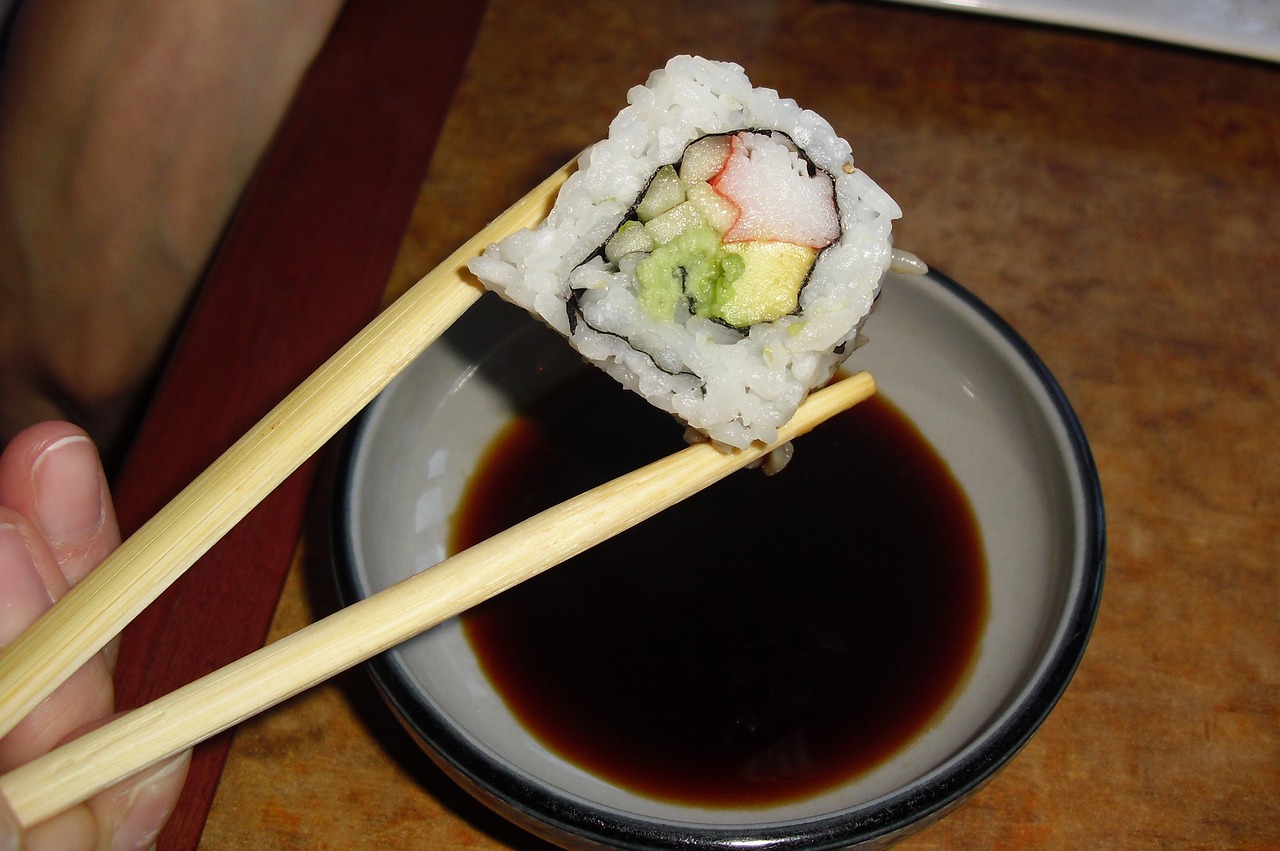
You can eat it with your hands or chopsticks.
Originally, we eat sushi by grabbing it with bare hands. However, many Japanese people are not comfortable grabbing sushi by hand, and some prefer to avoid getting their hands dirty, so many people eat sushi with chopsticks.
Eating with soy sauce.
Some sushi is seasoned with tare or soy sauce, but most sushi is eaten by dipping it in soy sauce yourself. Soy sauce is poured onto a small plate. If you do not have a small plate, ask the restaurant staff for one.
Wasabi is served pre-dipped between the rice and the sashimi, so if you do not like wasabi, it is better to tell the restaurant staff ahead of time.
At high-end sushi restaurants, ask to have sushi served “Omakase”.
The order of eating sushi is to start with light-flavored items such as white fish and squid, and then move on to more intense-flavored sushi such as sea urchin and toro (fatty tuna). At casual kaiten-zushi restaurants, however, you can eat whatever you like in whatever order you like!
At high-end restaurants, you can ask for “Omakase” and you will be fine. If there is something you dislike or cannot eat, you can tell your preference at the beginning. The sushi chef will prepare a course just for you.
Now, let’s take a look at the rules and manners at both the casual kaiten-zushi restaurant and the high-end sushi restaurant.

Kaiten-zushi manners and rules
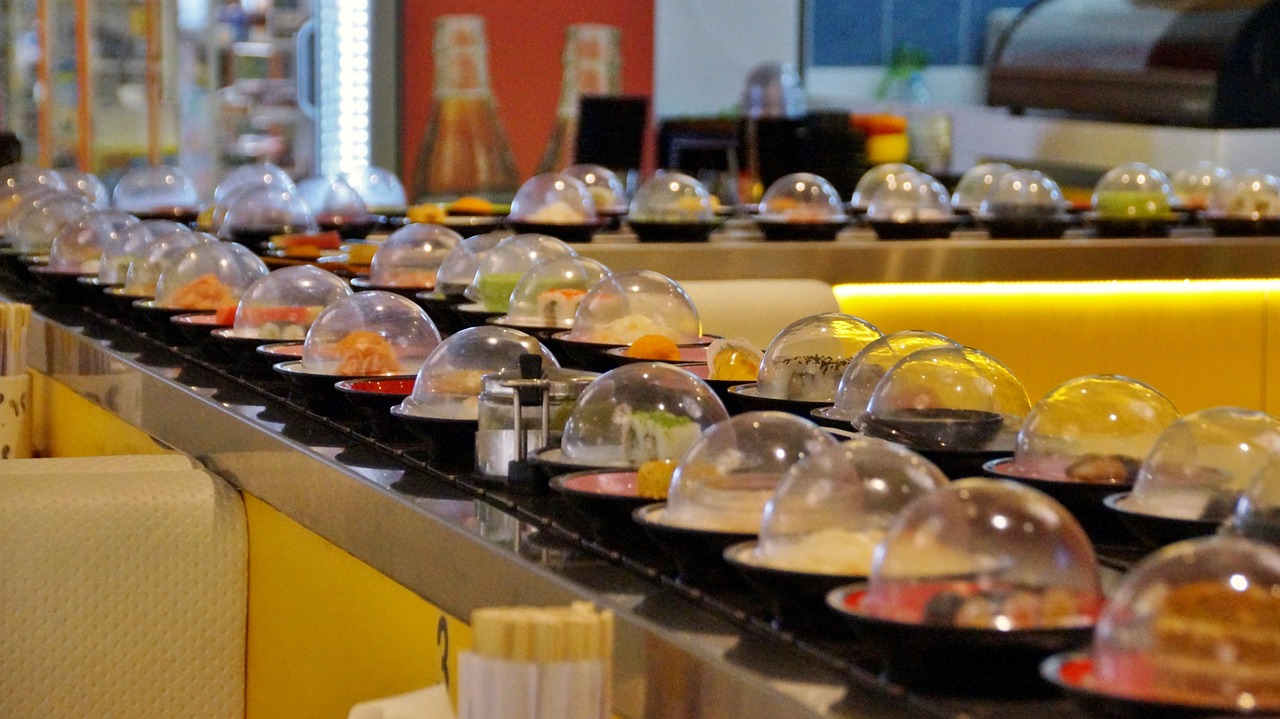
Kaiten-zushi is a system unique to Japan. It is exciting to see sushi on a plate passing in front of you. Japanese children love kaiten-zushi because they can eat not only sushi with raw fish on it, but also fried food, grilled meat, hamburgers, desserts, and anything else they like. There may be some confusion for first-time visitors.

When you enter the restaurant, go to the reception desk! Enter your information into the machine at the reception desk.
Upon entering the restaurant, you may be guided by a staff member or you may choose your own seat. Many restaurants have a machine that takes a waiting number, and when your number is called, you will be shown to your seat.
Sushi on the conveyor belt is taken by plate.
The method of accounting for kaiten-zushi varies from restaurant to restaurant, but the most common style is to count the number of plates at the end of the process. At some restaurants, the price may vary depending on the color and shape of the plate.
Since the price cannot be calculated, you should leave the plate you have finished eating.
Ordering is by touch panel or by asking the waiter.
You are free to take sushi on the rotating conveyor belt, but it is better to avoid sushi that others are reaching for or that has been spinning for a long time. To place an order of sushi that does not flow on the conveyor belt, you can use the touch panel attached with table or directly tell it to the waiter.
When the sushi you ordered arrives, you will be notified by a light or a display on the touch panel. It may arrive on the same conveyor belt as other sushi, or in a separate lane.
Ordering Beverages
Japanese tea is free at sushi restaurants. You put powdered Japanese tea powder in a cup on the table and pour hot water into the cup. Alcohol and juices are charged. To order, as with sushi, enter your order on the touch panel or ask the waiter.
To pay, press the production button on the touch panel and call the waiter.
After finishing your meal, pay at the cash register. In many restaurants, you press the produce button on the touch panel at the table to call the waiter, and then pay at the cash register.
Tipping is not required at restaurants in Japan
In Japan, it is not customary to tip restaurant staff, so tipping is not required.
What should I pay attention to when using kaiten-zushi?
I understand the excitement of seeing sushi flowing in front of you. But be careful not to take too much. It is bad manners to put sushi back on the conveyor belt once you have picked it up.
At high-end sushi restaurants manners and rules
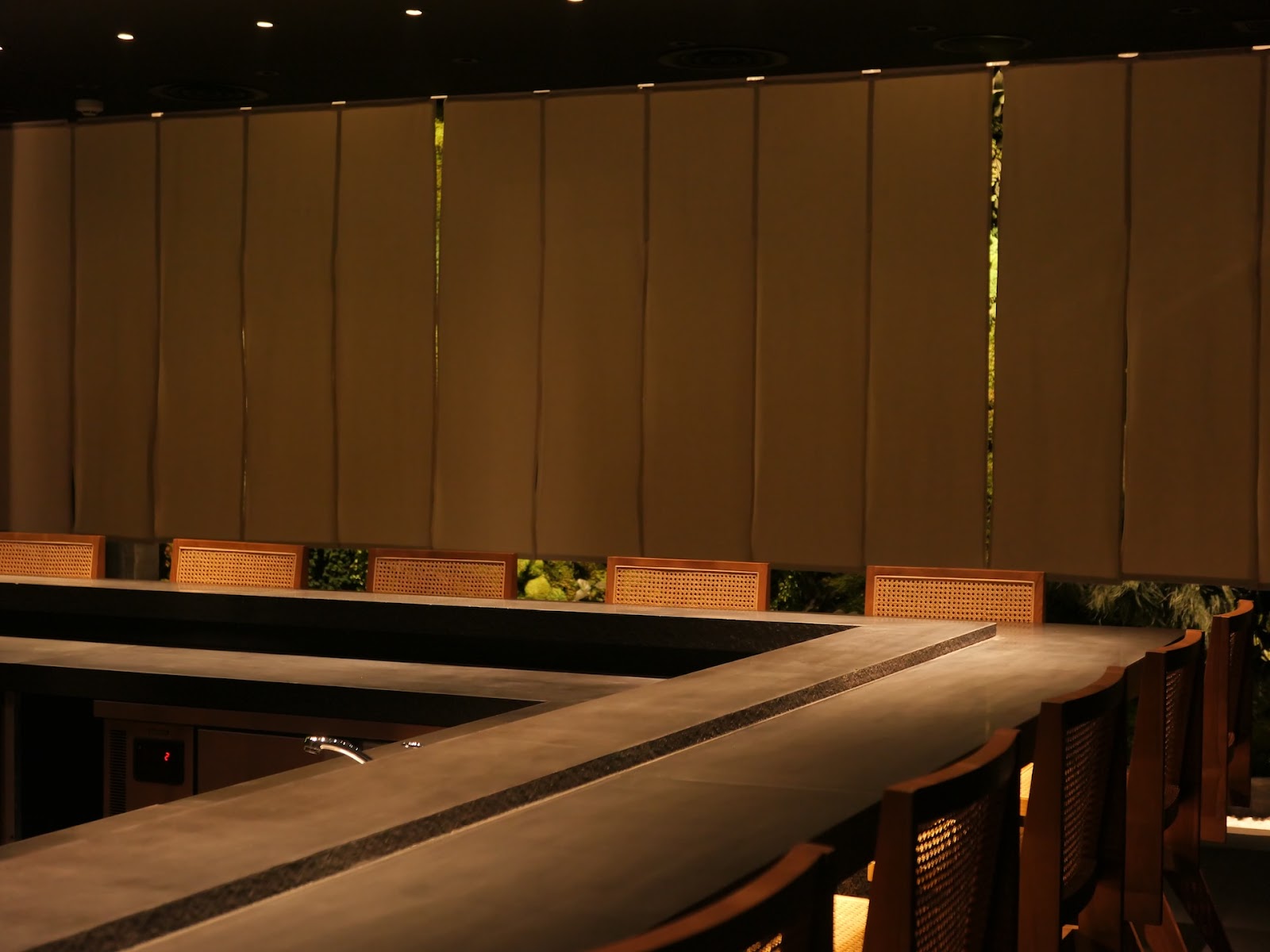
When entering a restaurant, bow lightly and say hello
When entering a restaurant, it is customary to greet staff with a light bow of the head and a “Konnichiwa”
The best part of dining at a high-class sushi restaurant is communicating with the sushi chef.
If there is seating at the counter, sit at the seat indicated by the waiter or choose an empty seat. The best part of dining at the counter is enjoying communication with the sushi chef.
Wipe your hands with a hand towel.
When you take your seat, a wet towel (oshibori) may be placed in front of you along with tea. This is for wiping your hands. You can use it freely. It is bad manners to wipe your face.
Ordering “Omakase” is recommended.
At most sushi restaurants, you can order either an Omakase course (Omakase) or a la carte. “Omakase” means that you tell the sushi chef what you want to eat and what your budget is. The chef will make the best course for you.
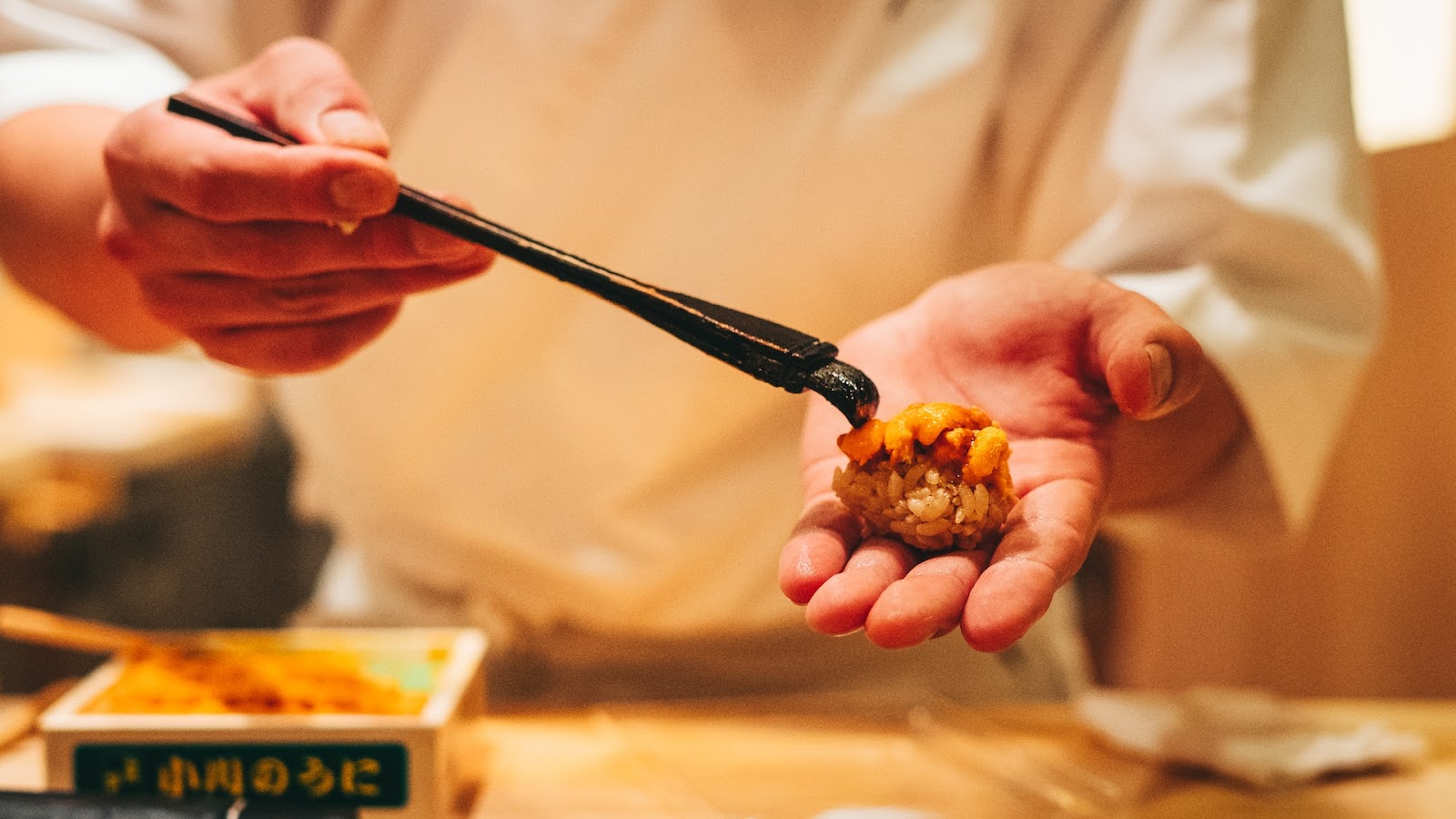
Soy sauce should be dipped in the Sashimi.
The correct way to eat sushi is to dip the Sashimi of the sushi in soy sauce. Avoid dipping the rice part of the sushi into the soy sauce, as it may cause the rice to fall apart.
If you don’t like wasabi on your sushi, or if you would like it adjusted to more or less wasabi, tell your preference to the chef when you place an order.
Show respect to the sushi chef and the restaurant by saying, “Gochiso sama desu.”
Call the clerk for the bill. You can pay at the table or at the cash register with your voucher. After paying, bow lightly to the waiter or sushi chef and say “Gochiso sama”. Tipping is not required in Japan.
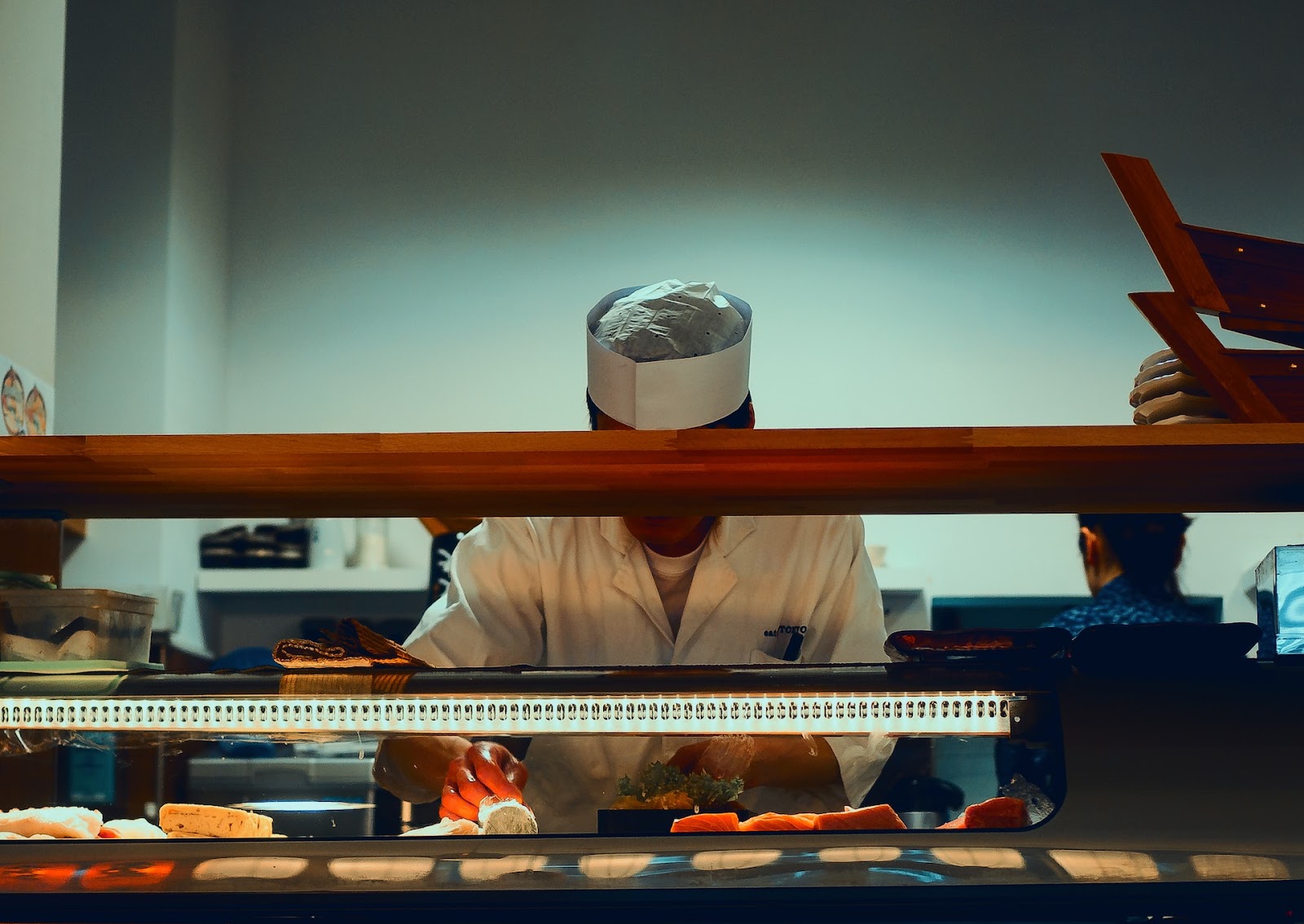
Enjoy your meal at a sushi restaurant by observing manners and rules!
Both in Japan and overseas, manners and rules vary depending on the type and rank of the restaurant. You may be puzzled by the differences, but learning about cultural differences is one of the pleasures of traveling. It is okay to make a slight mistake. Calm Japanese people will accept you with a smile.
I hope we can deepen mutual understanding by respecting cultures and manners and having good experiences.
