
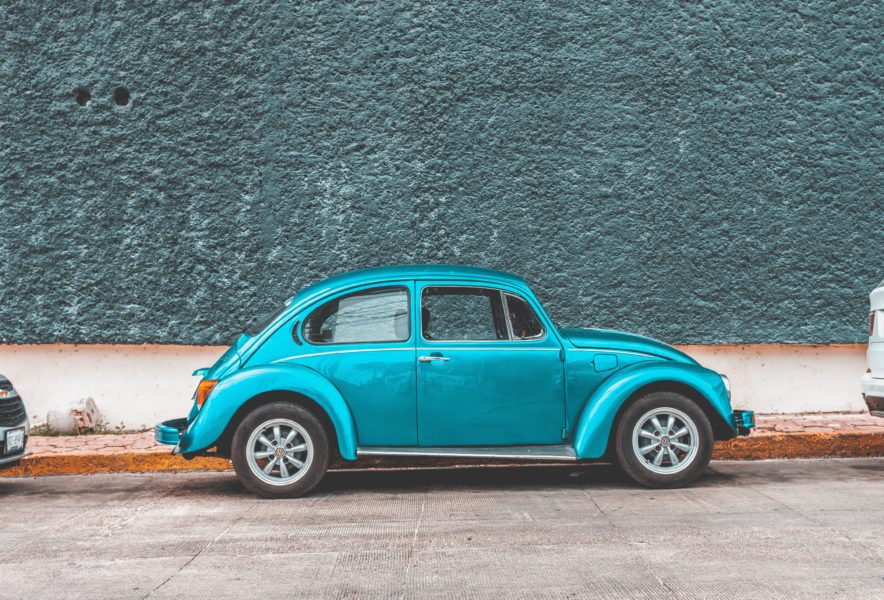
When you visit Japan, you may be surprised by the large number of small cars. This phenomenon is deeply related to the “Japanese omakase” culture. So why are there so many small cars in Japan, and what types of cars are on the road?
Narrow roads and parking space issues
In urban areas in Japan, especially in older neighborhoods, roads are very narrow. On these narrow streets, large cars cannot pass, making smaller cars an excellent choice. Parking space is also limited in Japan. For people living in apartments or condominiums, smaller cars are easier to park.
Fuel efficiency and environmental friendliness
In addition to narrow streets, Japanese people also value fuel efficiency. Smaller cars tend to be more fuel efficient than larger ones. And they are also becoming more environmentally conscious. Fuel-efficient, smaller cars are being looked at as an environmentally friendly choice.
Economy and the Existence of “Kei Cars
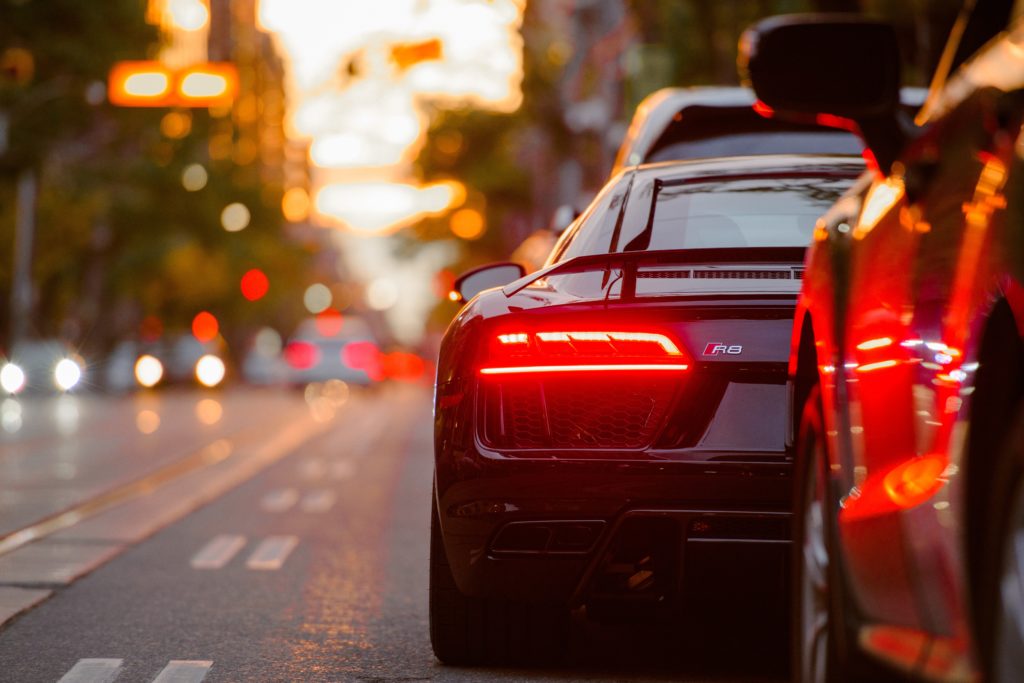
There is a specific category of small cars in Japan called “kei-jidosha. This refers to vehicles below a certain size and weight. Kei cars offer the economic advantage of lower taxes and insurance. Major light cars include Suzuki’s Alto, Daihatsu’s Tanto, and Honda’s N-BOX. These cars are limited in length, width, and height, making them suitable for Japan’s narrow roads and parking spaces.
Small cars are the most common type of car in Japan.The reason why there are so many small cars in Japan is based on narrow roads, fuel efficiency, and economy. In particular, the existence of “kei cars” is a major factor in shaping Japan’s small car culture. These kei cars reflect the unique Japanese culture and lifestyle, and are deeply connected to the culture of “Japanese omakase.
